Project Overview
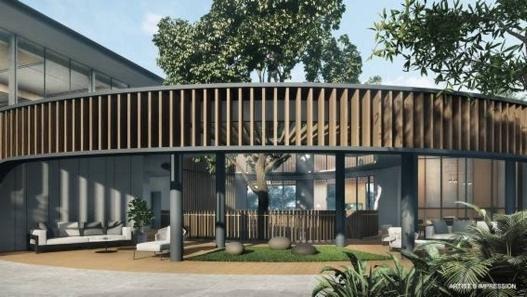
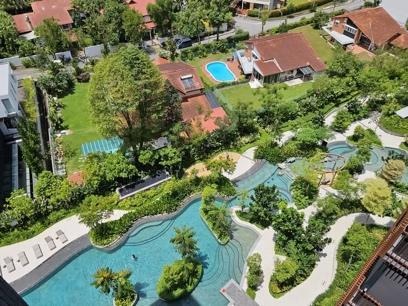
Ki Residences at Brookvale is a low-density private condominium developed by Hoi Hup Realty and Sunway Developments, located along Brookvale Drive in District 21. The development consists of 10 residential blocks with a total of 660 units, completed in 2025 under Period 9.
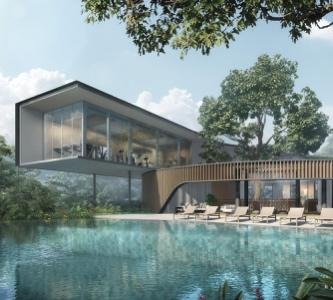
The project sits in a quiet, private residential enclave, offering a resort-style environment with full facilities, including pools, landscaped gardens, and communal spaces designed for a more laid-back lifestyle.
Location & Connectivity
Ki Residences is situated near Sunset Way and Clementi, with access to amenities and schools within the area. The nearest MRT access is via Clementi MRT Station, along with connectivity to major roads such as the AYE and PIE.
Amenities & Surroundings
Residents enjoy proximity to lifestyle and nature options, including:
- Sunset Way – a charming neighbourhood cluster with cafes and eateries
- Clementi Mall – for daily conveniences and retail
- West Coast Park – a large park ideal for outdoor activities
- Nearby schools and educational institutions in the Clementi and Bukit Timah belt
Feng Shui Observation (Project Insight)
Ki Residences presents a very different story compared to JadeScape.
The project was completed in 2025, firmly within Period 9. All blocks generally follow a North–South orientation, and similar to JadeScape, the development sits close to the boundary, allowing for a substitute star chart to be considered.
However, this is where the similarity ends.
Even with the substitute chart applied, the overall Flying Star structure remains weak.
Across the development, the usability of units is estimated at around 30%, which is considered low. This indicates that the overall Qi structure does not strongly support occupants in key areas such as wealth, stability, and long-term growth.
The South-facing units are the weakest within the project.
The key issue lies in the placement of Mountain Star 5 at the centre of the chart. This creates a heavy Earth energy that affects the entire unit, not just a specific sector. In practical terms, this often translates into:
- Increased stress and pressure within the household
- Health-related concerns, especially if activated
- A general sense of stagnation or things not moving smoothly
Unlike other star combinations where issues can be contained or managed within a sector, a central 5 tends to influence the entire living environment. This makes it much harder to neutralise effectively.
The North–South Myth
Many buyers believe that North–South facing units are always ideal.
On paper, it makes sense:
- Less direct sun
- Better ventilation
- More comfortable living conditions
But Feng Shui doesn’t judge a house based on direction alone.
Direction is only the starting point.
What truly matters is:
- Which period the house belongs to
- How the Flying Stars are distributed
- Whether the energy is timely or untimely
Ki Residences is a clear example.
Despite having a generally desirable North–South orientation, the internal chart structure is weak due to its Period 9 timing and star configuration.
This shows that a “good direction” can still produce a poor Feng Shui outcome if the timing and energy structure are not aligned.
What This Means for Buyers
This is why relying on general rules can be misleading.
A buyer may choose a North–South facing unit thinking it is a “safe” option.
But without proper analysis, they may still end up in a unit that:
- Feels stressful over time
- Does not support career or financial growth
- Requires ongoing remedies just to maintain balance
In projects like this, selection is not just important—
it becomes critical.
Key Takeaway
It’s not just about direction.
It’s not just about layout.
And it’s definitely not about following common beliefs.
Timing, structure, and precise analysis will always outweigh general rules.
Ki Residences is a strong reminder that:
What looks right on the surface
can behave very differently in reality.